What Is a Koinorealist?
A day in the life of a clear-eyed social realist — someone who sees through the crowd's machinery and stays in the room anyway. Not a definition so much as a disposition: how koinorealism actually feels to live by.
The Archive
Explorations of consciousness, critical inquiry into culture, and reflections on the art of being human.
A day in the life of a clear-eyed social realist — someone who sees through the crowd's machinery and stays in the room anyway. Not a definition so much as a disposition: how koinorealism actually feels to live by.
The world is impatient, spiteful, and unfair towards individuals with limited or low social skills. Those who haven’t developed these skills are left vulnerable to harsh societal scrutiny. The very concept of “social skills” is overvalued and frequently wielded as an insult rather than a positive attribute. Online, keyboard warriors often dismiss justified frustrations about…
Do people still conform when they are alone, in their own space, without anyone watching? Social cohesion is important to the masses, and a sense of guilt or shame—even in one’s own isolated mind—is powerful. Conformity becomes a necessity to avoid feelings of shame. If individuals act according to the social norms of their society,…
Every individual has an intrinsic, veiled, unconscious desire to be genuine, to express their own identity, and to liberate themselves from the limitations of conformity. So, why are so many people the same? Since it’s within our deepest sociobiological nature to conform for survival, human beings often fail to unlock their true selves. Unconscious fear…
It is worth touching on both micro and macro forms of social deviance. For both, the equation is universally applicable: Deviant act = social shunning (+ prosecution). The consequences are either shunning, which can be detrimental, or legal prosecution, which is more severe. Here are some ideas I have pondered on two levels of deviancy:…
Fads die out quicker than staples or mainstays. Staples or mainstays are items, or trends that have become so commonplace that they are now considered essential. However, the future of a staple is not definitive. For example, flares are a fad that will die out quicker than leggings, which have become a staple in many…

When I was a child, I believed adults were wiser, more reasonable, and fairer than the rest. But as I grew older and became an adult among other adults, I realised this is far from the truth. Most adults are egocentric, fallacious thinkers, difficult to reason with, and fundamentally injudicious. Children, on the other hand,…
From an early age, people are likely to grow up in a consistent social environment—from their home life, the social groups they join, the sameness of those in the schools they attend, and their overarching local community. If these social environments remain largely unchanged, with little integration across social classes, cultural backgrounds, educational levels, and…
Western and eastern countries sell a false dream of success through hard work. Industriousness, assiduousness, and hard work—these are not virtues, yet they are believed to be by many. Those who do not exert effort, or who embrace idleness, whether by choice or due to illness that prevents them from working, are viewed with disdain…

By the time people have surpassed their mid-teens, they have convinced themselves that they’ve crossed into adulthood. This belief is fuelled by reaching certain milestones—buying a car, getting a job, or losing their virginity. Society seduces us into believing that these markers equate to maturity, yet they’re just empty symbols that barely scratch the surface…

The trouble with adults is that they often talk down to children, which, in turn gives them a false sense of superiority and an inflated ego. They assume children are incapable of understanding complex ideas or seeing things as they are, dismissing their thoughts as naïve or fabricated. This condescending attitude reveals not only a…

There is something deeply detestable about the way politicians and sections of the media now talk about mental health. Not because the subject is discussed too much, but because it is discussed dishonestly. The language of “over-medicalisation” has become a convenient alibi — a way to moralise withdrawal of support, to reframe austerity as realism,…

YouTube stands out for its vast array of content, ideal for filling downtime with videos. This does not mean YouTube is immune to misinformation. The comment sections are often cluttered with cringe-worthy ideologues and individuals with poor understanding of world affairs.
Society is unremittingly braggadocious. Humans are deeply competitive but in more complex ways than their other animal counterparts. Deceit, frivolity, and perceived power come into play in the complex nature of human competition.
As your social circle grows, conflict and drama become unavoidable. With that, respect for honesty, integrity, differing opinions, and candour diminishes. Despite unconsciously knowing the importance of these values, people frequently struggle to uphold them.
Spending wealth is addictive. Even those who have little of it cannot shake the dopamine release that spending money gives and the anticipation of that fresh new item in the post; a new possession that will lose its freshness only for another to replace it, or to be added on top of an already…

The notion that humans are inherently sensible beings is a pervasive myth. Beneath the veneer of conscious thought lies a complex chemistry of biases, emotions, and cognitive shortcuts that often distort our perception of reality.
TikTok, owned and operated by China, currently reigns as the social media platform of choice among younger users. It poses significant privacy concerns due to its ownership and the ever-present threat of surveillance.
Conspiracy theorists begin their journey as wannabe rebels, aiming to challenge established realities. Some are merely trying to be edgy and contrarian, a behaviour stemming from psychological reactance to authority figures, field experts, and scientists.
The bully needs the mob. Through a combination of charisma, intimidation, and perceived social value, they form their mob. This mob is not merely a group of followers; it is evidence of the bully's social victory.
Instagram, Snapchat, X (formerly Twitter), and similar platforms share consistent problems similar to the aforementioned examples. Users gravitate towards echo chambers, seeking content that reaffirms their pre-existing beliefs, positions, and perspectives.
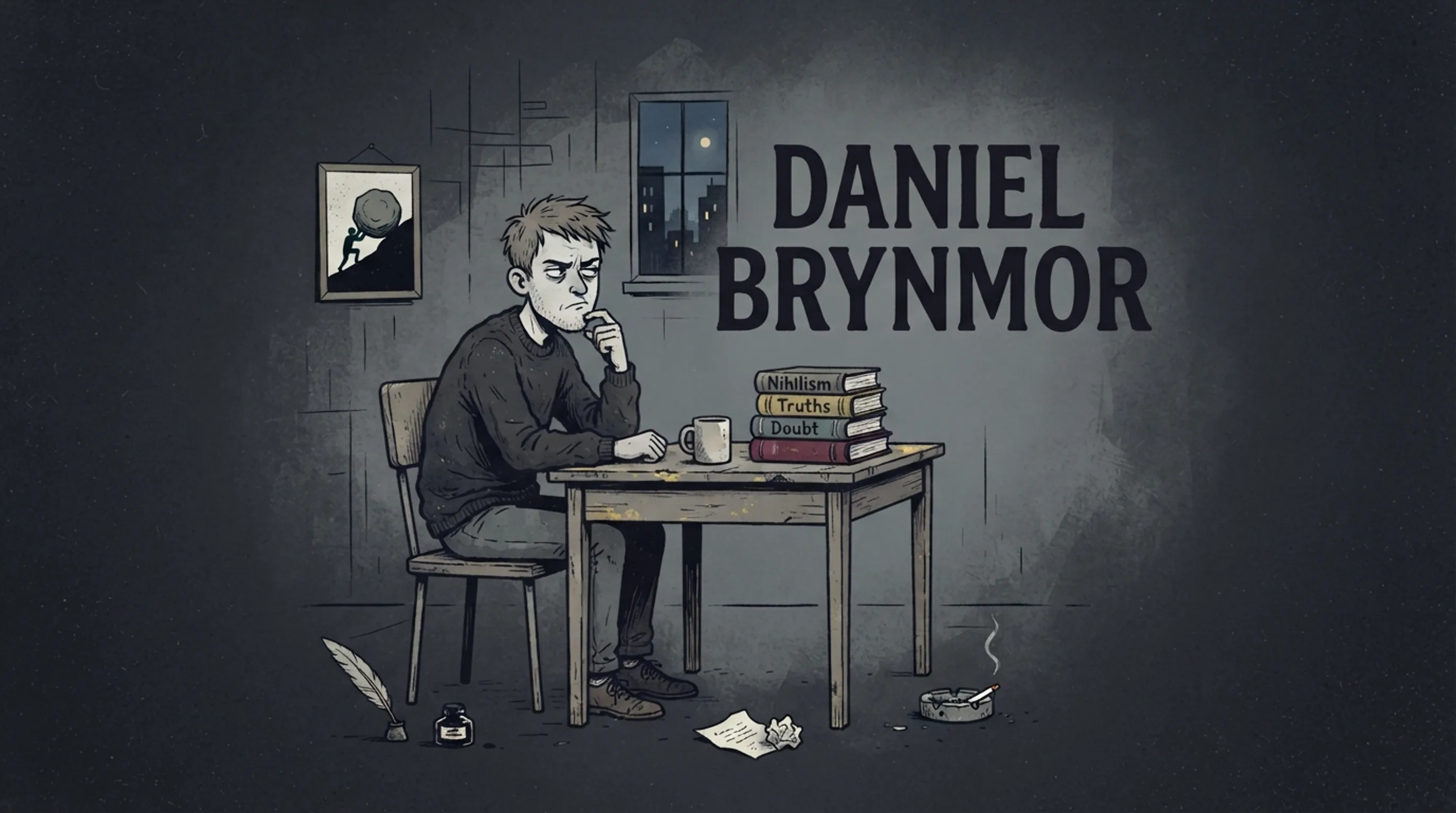
A koinorealist's view of humanity is a response to an irrational world. The patterns of human behaviour, marred by ignorance, entitlement, and superficiality, reveal a species lost in its delusions. To observe humanity is to witness a tragic farce played out endlessly on the stage of existence.

Exclusion and ostracisation remain pernicious elements of social dynamics. Society ostracises those who deviate from the norm. This societal shunning underscores a fear of the unfamiliar and a collective unwillingness to embrace diversity.
Social anxiety sufferers can sometimes be heard saying that they don't like people. Having had many friends who have suffered from this debilitating condition, I have heard this sentiment often.