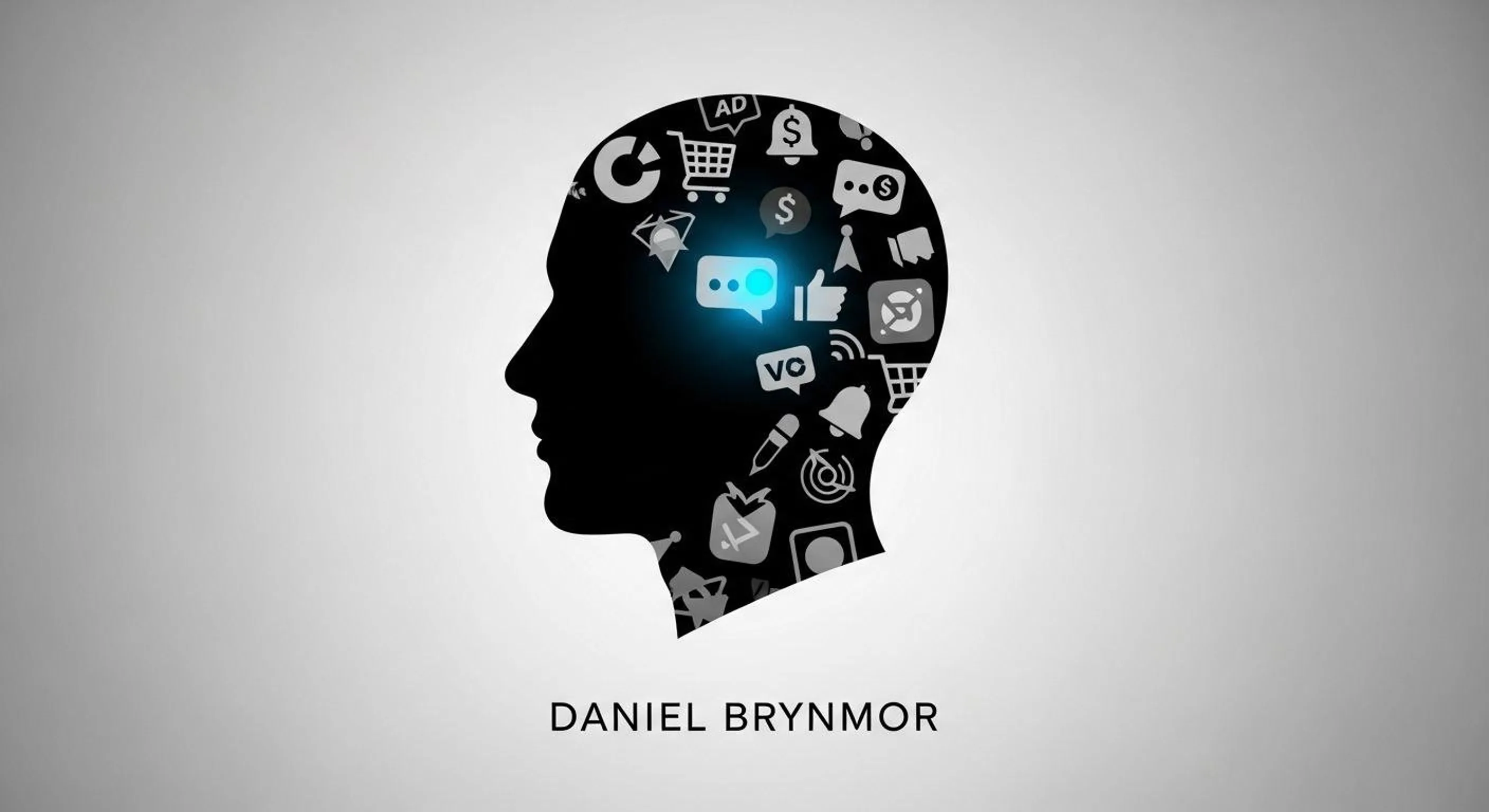
A reception, whether positive or negative, largely hinges on the individual delivering the comment rather than the comment itself. If we take a look at the cesspit world of social media, people with ludicrously large followings will audaciously share their opinions or views on social matters, politics, philosophies, or anything that the human mind may naturally ponder. The impact of such statements is shaped by how they are perceived by others, and this perception is inevitably coloured by the biases of the particular audience assessing their remarks. If the audience harbours a pre-existing negative view of the individual, they are likely to dismiss any subsequent comments from that person, regardless of their veracity. Conversely, if the individual’s reputation is favourable, their remarks are more likely to be accepted, no matter their content.
In contrast, a person with little public recognition will see their comments-such as those made in a social media post-largely ignored. These comments will garner fewer ‘likes’, if any are made at all, compared to those posted by someone with a larger following or a more favourable perception, even if the content of their remarks is identical.
The reality is that, despite one’s best efforts to offer valuable insights or guidance through words, many will remain resistant to change or encounter significant obstacles in altering their views unless the speaker possesses a notable degree of social prestige or holds a position within a hierarchy that the individual considers subjectively significant.
From the book, The Post-Optimist’s Manifesto.